
Manikarnika Ghat
मणिकर्णिका घाट - मोक्ष का पावन द्वार
Manikarnika Ghat is the most significant and revered cremation ground in Varanasi. Often referred to as the "Mahashamshan" (Great Cremation Ground), it is believed to be the holiest spot for Hindu funeral rites. According to ancient mythology and local belief, those who are cremated here are directly granted 'Moksha' (liberation from the cycle of birth and death) by Lord Shiva. It is not just a place of mourning, but a place of profound spiritual transition, situated between the Dashashwamedh and Scindia Ghats.
Lord Shiva (The Lord of Liberation/Moksha)
Near Kashi Vishwanath Corridor, Varanasi Manikarnika Ghat, Near Kashi Vishwanath Temple, Lahori Tola, Varanasi, Uttar Pradesh - 221001, India.
Accessibility: The Ghat is open 24 hours a day, 365 days a year.
The Eternal Fire: It is believed that the fire used to light the funeral pyres at Manikarnika Ghat has been burning for thousands of years, tended by the hereditary custodians, the "Dom" community.
Manikarnika Ghat stands as a testament to the Hindu philosophy that death is not the end, but a gateway to a higher existence. Thousands of years of continuous activity have made this the most essential pilgrimage stop in Kashi. While other ghats are known for festivals, music, and morning prayers, Manikarnika is defined by its quiet intensity and the perpetual, sacred flames that never extinguish.
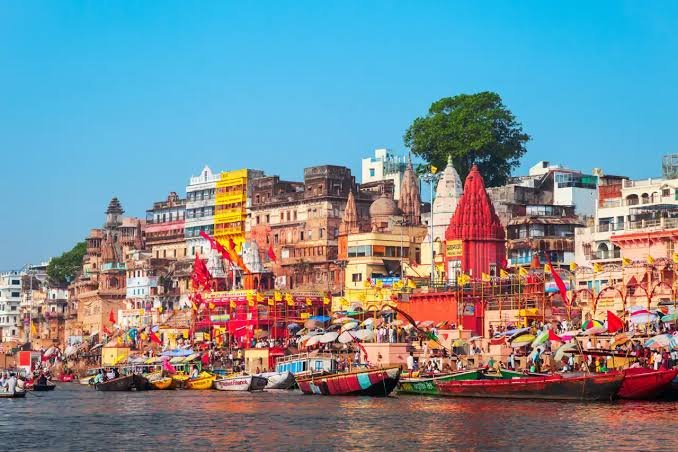
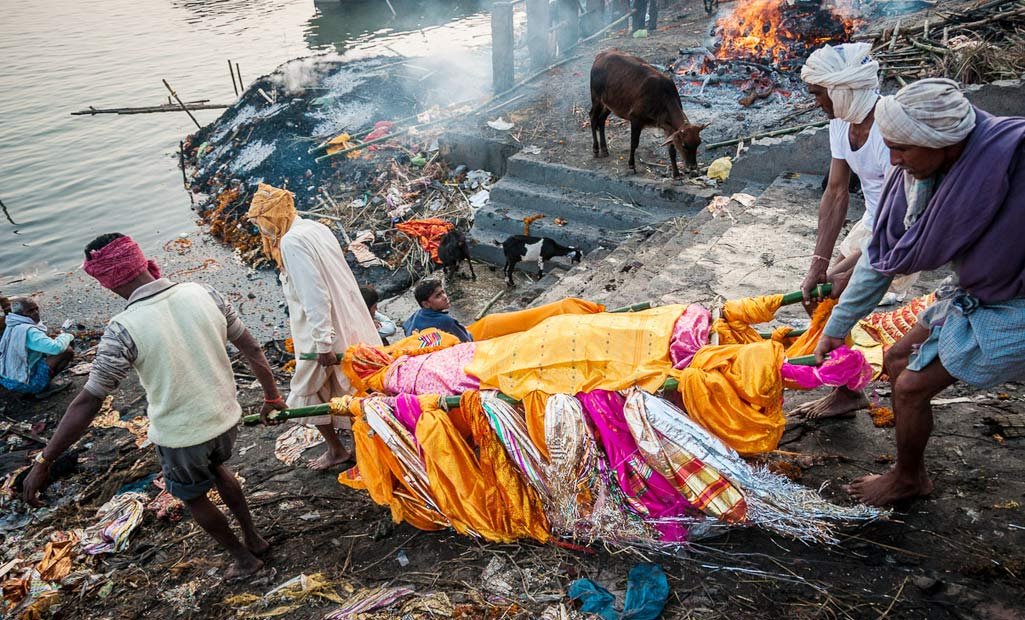
The ghat is visually dominated by the constant flow of people bringing their departed loved ones for the final rites. The atmosphere is heavy with smoke, chanting, and a unique sense of peace that is difficult to describe in words. It reminds every visitor of the transience of life and the eternity of the soul. Watching the rituals performed with discipline and devotion provides a humbling perspective on human existence.
History & Significance
The history of Manikarnika Ghat is intertwined with deep mythological roots. The name 'Manikarnika' is derived from two words: Mani (jewel) and Karnika (earring). Legend says that while Lord Vishnu was digging the Manikarnika Kund, his earring fell into it, giving the place its name. Another legend states that while Goddess Sati’s body was being carried by Lord Shiva, her ear ornament (manikarnika) fell at this spot.
The most profound belief, however, is that Lord Shiva himself whispers the Taraka Mantra (the mantra of liberation) into the ears of those who are cremated here. This is why it is called the "Mahashamshan." It is believed that even the gods yearn to be cremated at this location to escape the cycle of rebirth.
Best Time to Visit
While the Ghat can be visited at any time, it is a site of immense solemnity. For those wishing to understand the philosophy of life and death in Kashi, early morning or late evening provides a reflective atmosphere. However, visitors are requested to maintain absolute silence and respect, as this is a sacred funeral site. Photography of the cremation pyres is strictly prohibited and disrespectful.