

Nepali Temple
नेपाली मंदिर- समराजेश्वर पशुपतिनाथ महादेव: समय और इतिहास
The Nepali Temple, officially known as Samrajeswar Pashupatinath Mahadev Mandir, is an ancient, architecturally stunning shrine located at Lalita Ghat in Varanasi. Built entirely of terracotta, stone, and dynamic wood carvings, this temple is a direct replica of the famous Pashupatinath Temple in Kathmandu, Nepal. Popularly known as the 'Kanthwala Mandir' (Wooden Temple) due to its extensive use of timber, it stands as a unique monument showcasing Nepal's rich Pagoda style of architecture right in the heart of Uttar Pradesh.
Pasupatinath Mahadev (Lord Shiva)
Lalita Ghat, Varanasi Lalita Ghat, near Kashi Vishwanath Corridor, Lahori Tola, Varanasi, Uttar Pradesh - 221001, India.
Morning Hours: 04:00 AM to 12:00 PM Evening Hours: 01:00 PM to 09:00 PM Daily Aarti: 06:30 AM (Morning) and 07:30 PM (Evening)
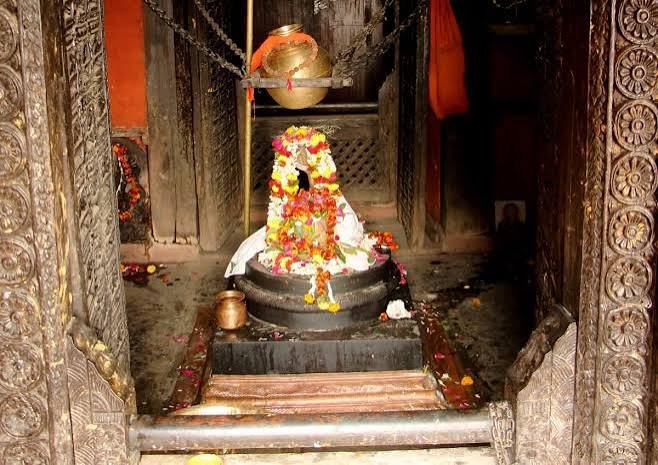
Chaturmukhi Shiva Puja: Unlike traditional single-faced lingams, the four-faced Shiva Lingam at the temple receives specific multi-directional milk, water, and honey offerings (Abhishek) daily.
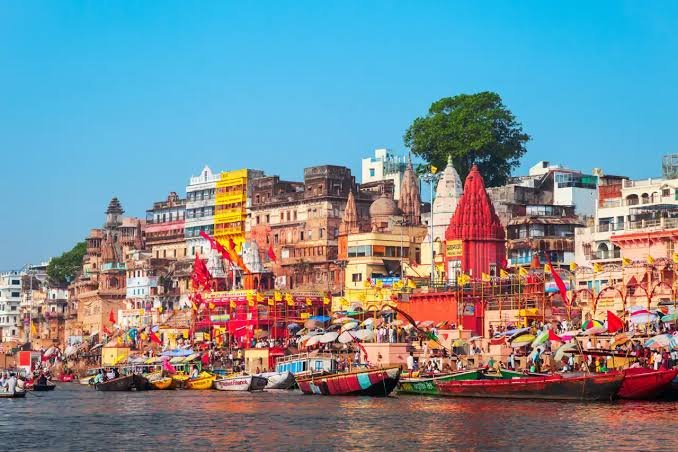
Overlooking the panoramic sweep of the River Ganga at Lalita Ghat, the Nepali Temple is one of the most structurally unique sights in Varanasi. Surrounded by lush, manicured gardens, the temple breaks the monotony of traditional North Indian stone architecture. Built in the classic Nepalese Pagoda style, it features double-tiered roofs made of copper and terracotta tiles supported by intricately carved wooden struts.
The most fascinating feature of this temple is the exquisite woodwork made from specialized Shorea robusta (Sal) wood, which is naturally resistant to termites and damp river weather. The wooden panels, brackets, and doors are adorned with masterfully carved images of various Hindu deities, musicians, animals, and geometric patterns. Inside the main sanctum rests a beautiful four-faced (Chaturmukhi) Shiva Lingam crafted from black stone, directly mirroring the central deity of Kathmandu.
History & Significance
The historical origins of the Nepali Temple date back to the early 19th century. The King of Nepal, Rana Bahadur Shah, took exile in Varanasi from 1800 to 1804 and decided to construct a replica of the Pashupatinath Temple to feel connected to his homeland. The construction began under his vision but was interrupted due to political shifts. It was later completed by his son, King Girvan Yuddha Bikram Shah Deva, around 1843.
The temple holds immense cross-border significance, symbolizing the deep centuries-old spiritual and cultural ties between India and Nepal. Legally, the temple property and its management still belong to the Government of Nepal through the Nepal Guthi Sansthan. Due to the presence of erotic carvings on its wooden pillars—similar to those found in Khajuraho and Konark—it is also locally referred to as the "Khajuraho of Kashi."
Best Time to Visit
The best months to visit are from October to March when the weather is ideal for walking along the ghats. To capture the aesthetic beauty of its wooden details and enjoy the cool breeze of the River Ganga, early mornings at 06:00 AM or sunset hours are highly recommended. Visiting during Maha Shivratri is also a great experience as it is celebrated with grand decorations combining Indian and Nepali traditions.